

Can Silicomanganese Supply Risks Disrupt Steel Output?
Silicomanganese is a critical input for steelmaking, especially in deoxidation and manganese alloying.
Any disruption can quickly affect cost control, production continuity, and sourcing strategy across steel operations.
Supply risks may come from ore constraints, energy costs, logistics delays, policy shifts, or regional production changes.
Basic Role of Silicomanganese in Steelmaking
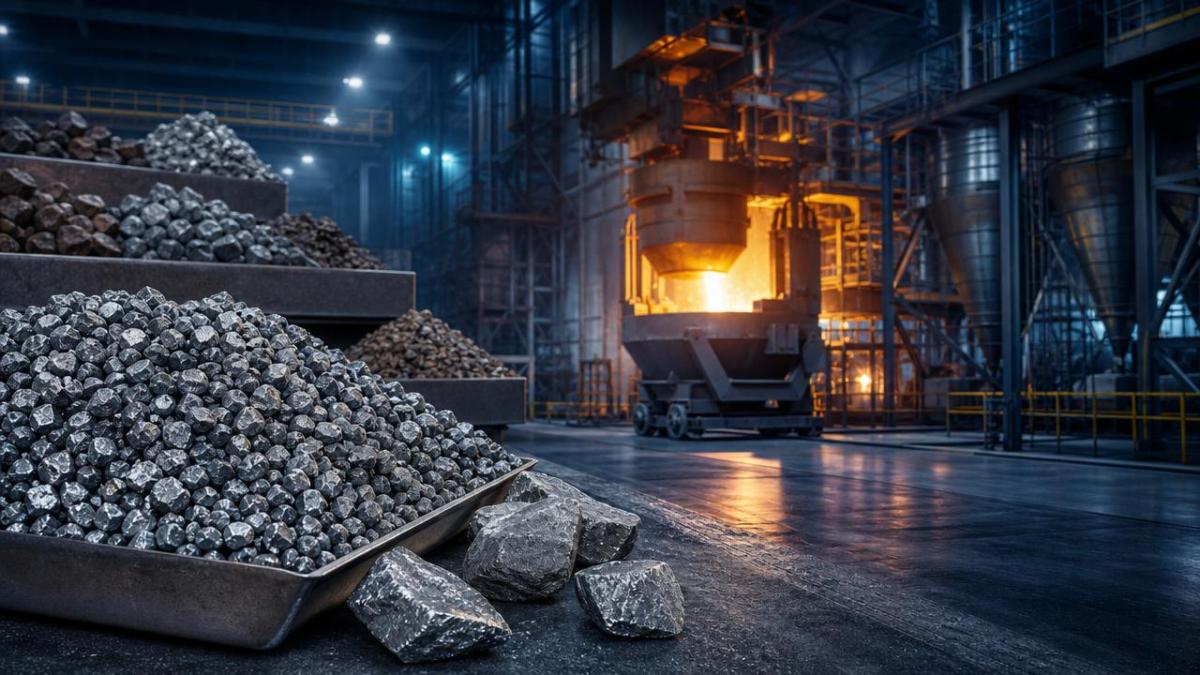
Silicomanganese combines manganese, silicon, and iron in a ferroalloy used mainly in carbon steel and low-alloy steel.
It improves strength, supports sulfur control, and helps remove oxygen during molten steel refining.
Because silicomanganese enters core metallurgical processes, shortages are not easily offset by simple material substitution.
Even small availability changes can influence melt shop planning, alloy cost, and final steel chemistry consistency.
Current Supply Signals in Mineral and Metallurgical Markets
The silicomanganese market is closely linked to manganese ore, coke, electricity, freight capacity, and furnace operating rates.
When several pressure points appear together, steel output risk becomes more serious and harder to manage.
Business Value of Stable Alloy Supply
Stable silicomanganese supply supports predictable steel grades, controlled production schedules, and more accurate cost forecasting.
For integrated mills, disruptions can affect blast furnace planning, converter timing, and alloy warehouse balance.
For electric arc furnace operations, availability is equally important because charge mix and alloy additions change frequently.
Price spikes also affect contract negotiations, working capital, and competitiveness in construction steel or special bar markets.
Typical Application Scenarios and Exposure Levels
The influence of silicomanganese risk varies by steel product, alloy intensity, and inventory discipline.
Practical Measures for Reducing Disruption Risk
A resilient silicomanganese strategy should combine market monitoring, supplier evaluation, technical specifications, and inventory control.
- Track manganese ore indexes, regional power costs, and freight movements regularly.
- Qualify multiple alloy sources with consistent chemistry and reliable documentation.
- Set safety stock based on lead time, consumption rate, and production criticality.
- Review silicon, manganese, carbon, phosphorus, and sulfur limits before contract confirmation.
- Use flexible delivery schedules when price volatility or port congestion increases.
Technical alignment is also essential because low-grade or inconsistent silicomanganese may create hidden process costs.
Laboratory verification, shipment inspection, and furnace performance feedback should be connected to supplier performance records.
Action Direction for More Resilient Sourcing
Silicomanganese supply risks can disrupt steel output when availability, price, and logistics pressures overlap.
The best response is not only buying earlier, but building a structured alloy supply system.
Sinometal supports global metallurgical industries with ferroalloys, silicon alloys, rare earth minerals, and specialty casting additives.
For silicomanganese planning, start with specification review, demand forecasting, supplier qualification, and shipment risk assessment.
A disciplined sourcing plan helps protect steel quality, reduce exposure, and maintain production continuity during volatile market cycles.
Related Posts
Online Message
GET IN TOUCH