
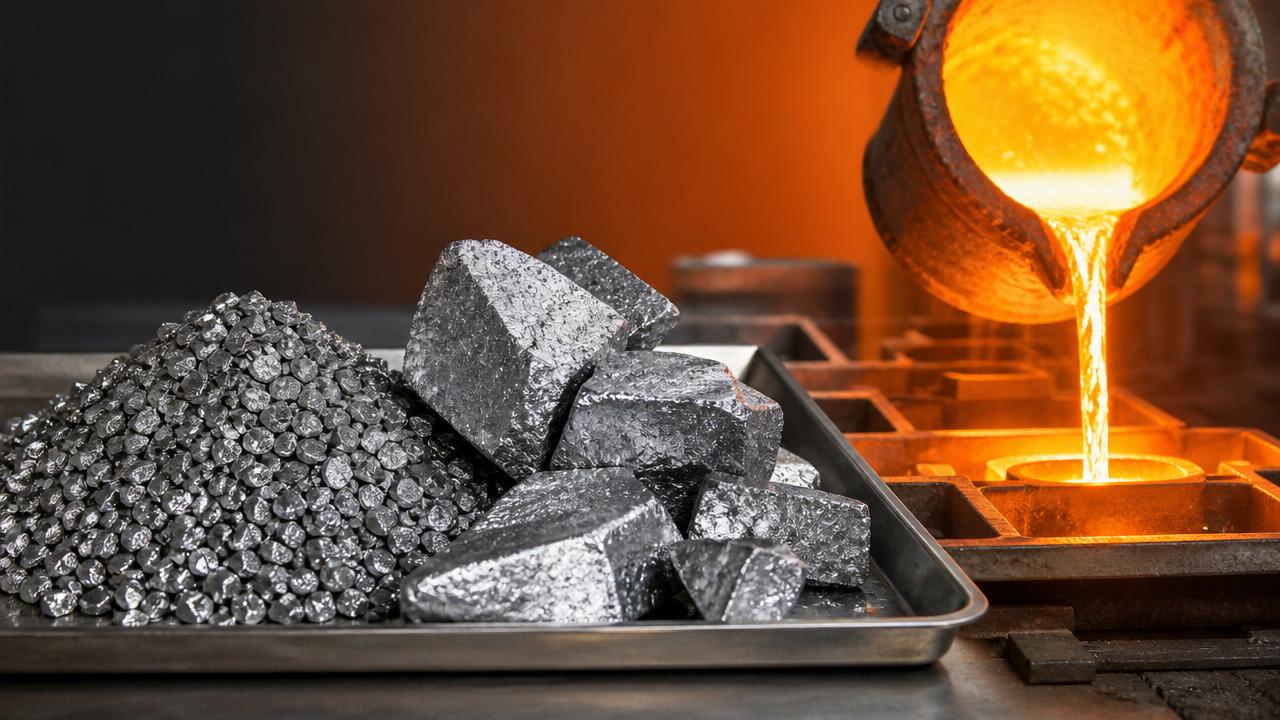
Choosing the right ferrosilicon is essential for stable melting, effective deoxidation, and consistent casting quality in foundry operations. For operators working with gray iron, ductile iron, or specialty castings, factors such as silicon content, particle size, cleanliness, and dissolution performance directly affect inoculation results and production efficiency. This guide explains what to look for when selecting ferrosilicon for foundry applications, helping you reduce defects, improve metal treatment control, and make more reliable purchasing and process decisions.
In daily foundry work, material selection is not only a purchasing task. It influences melt chemistry, furnace rhythm, ladle treatment, pouring performance, and final casting inspection.
Operators need a practical way to compare ferrosilicon grades, particle sizes, packaging, and supplier consistency before problems appear as chill, pinholes, shrinkage, or poor nodularity.
Why Ferrosilicon Selection Matters in Foundry Operations
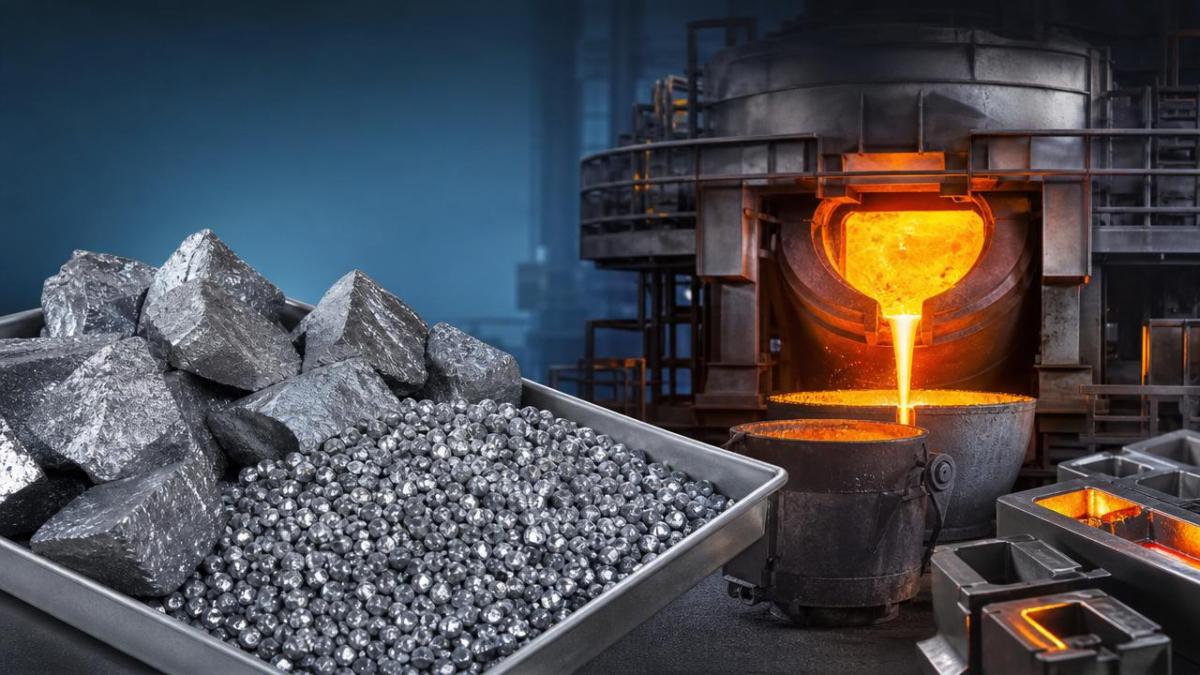
Ferrosilicon is widely used as a silicon source, deoxidizer, and inoculation-related alloy in iron casting and selected steel foundry applications.
A small variation in silicon recovery, often within 2%–5%, can shift final chemistry enough to affect hardness, graphite structure, and machining behavior.
Key Functions in the Melt
During melting and treatment, ferrosilicon supports oxygen control and helps adjust silicon to the target range specified by the casting grade.
In gray iron and ductile iron, silicon promotes graphitization. This reduces chill tendency and helps operators achieve more predictable section sensitivity.
- For gray iron, ferrosilicon supports graphite flake formation and helps balance strength with machinability.
- For ductile iron, it contributes to silicon adjustment before or during magnesium treatment and inoculation.
- For specialty castings, tighter chemistry control helps reduce batch-to-batch variation in mechanical properties.
Typical Operating Problems Linked to Poor Selection
If ferrosilicon dissolves slowly, operators may see undissolved particles in slag or inconsistent silicon pickup between ladles.
If fines exceed practical limits, dust losses can increase, dosing accuracy may decline, and workplace housekeeping becomes more difficult.
Cleanliness also matters. Excessive slag-forming impurities may disturb treatment reactions, especially when ladle capacity is below 2 tons and process time is short.
Core Technical Parameters Operators Should Check
Before approving a ferrosilicon shipment for foundry use, operators should verify chemistry, size, moisture, appearance, and actual performance in the melt.
The most common commercial silicon contents include around 72% and 75%, while lower or customized grades may be used for specific process windows.
Chemical Composition and Silicon Recovery
Silicon percentage is the first specification, but practical recovery in the furnace or ladle is equally important for stable final chemistry.
In many foundries, silicon recovery may vary from 85% to 95%, depending on temperature, addition method, slag condition, and particle size.
The table below summarizes common selection points for foundry operators evaluating ferrosilicon for different casting requirements.
The best grade is not always the highest silicon grade. It is the ferrosilicon that matches the foundry’s melt temperature, dosing method, and quality target.
Particle Size and Dissolution Behavior
Operators should choose particle size according to where the material is added: furnace charge, transfer ladle, treatment ladle, or stream inoculation system.
Fine granules such as 1–3 mm dissolve quickly but may create dust. Larger lumps dissolve more slowly and need longer residence time.
Practical Size Guidelines
- Use 10–50 mm material when adding into furnace charge with enough melting time and strong bath circulation.
- Use 3–10 mm material for ladle additions where faster dissolution and lower dusting must be balanced.
- Use 1–3 mm granules for controlled inoculation systems, provided storage and feeding equipment limit segregation.
Matching Ferrosilicon to Casting Applications
Different casting lines require different ferrosilicon behavior. Operators should avoid treating all iron grades with one fixed addition practice.
A gray iron pump housing, ductile iron pipe fitting, and heat-resistant specialty casting may each need different silicon control windows.
Gray Iron Applications
In gray iron, ferrosilicon helps manage carbon equivalent, graphite morphology, and chill depth, particularly in thin sections below 8 mm.
Operators often focus on consistent dissolution because late silicon adjustment can change hardness and create machining variation between casting batches.
Ductile Iron Applications
In ductile iron production, ferrosilicon may be used before magnesium treatment, as part of inoculation practice, or for final chemistry correction.
Because nodularity can be sensitive to sulfur, oxygen, treatment temperature, and fading time, alloy consistency is critical across every 20–40 minute pouring cycle.
Application-Based Selection Matrix
The following matrix gives practical direction for selecting ferrosilicon by foundry application, process location, and operating priority.
This comparison shows why operators should connect alloy selection with casting design, melting route, and inspection results instead of using only price per ton.
A Practical 5-Step Selection Process
A clear selection process helps reduce trial-and-error. It also gives purchasing, production, and quality teams the same evaluation language.
For many foundries, a 5-step review is enough to screen ferrosilicon suppliers before committing to regular deliveries.
Step 1: Define the Metallurgical Target
Start with the final casting specification, not the alloy catalogue. Confirm target silicon, carbon equivalent, tensile requirement, and hardness range.
If final silicon tolerance is ±0.05% or ±0.10%, the addition calculation and material consistency must be controlled more tightly.
Step 2: Check the Addition Point
Furnace additions allow more time for dissolution, while ladle additions require faster reaction and more accurate weighing.
When treatment time is below 10 minutes, operators should be cautious with oversized lumps that may not fully dissolve.
Step 3: Request Relevant Test Information
A useful supplier document should include silicon content, main impurity values, size distribution, packaging details, and batch identification.
For repeat orders, compare at least 3 consecutive batches to understand whether chemistry variation is stable enough for your process.
Step 4: Run a Controlled Trial
Test the ferrosilicon under normal shop-floor conditions. Avoid changing furnace charge, temperature, and inoculation practice during the same trial.
A practical trial may include 3–5 heats, silicon recovery calculation, slag observation, and casting inspection after shakeout.
Step 5: Build a Repeatable Receiving Standard
Once approved, create receiving checks for package integrity, moisture condition, particle size, label traceability, and certificate consistency.
These checks usually take 10–20 minutes per delivery, but they can prevent hours of troubleshooting after a defective heat.
Common Mistakes and Risk Controls
Many casting defects are blamed on melting practice, but the root cause can begin with poorly matched ferrosilicon specifications.
Operators can reduce risk by focusing on consistency, storage, dosing discipline, and communication between the melt shop and purchasing team.
Mistake 1: Buying Only by Silicon Percentage
A 75% grade may look attractive, but poor size control or high fines can reduce practical recovery and increase handling loss.
Operators should compare total usable value, including dissolution speed, cleanliness, weighing accuracy, and defect reduction potential.
Mistake 2: Ignoring Storage Conditions
Ferrosilicon should be stored in a dry, ventilated area, away from water exposure and severe package damage.
For open bags, use first-in, first-out control and avoid leaving fine material exposed for more than a short production cycle.
Risk Control Checklist
- Check package labels against purchase specifications before unloading or transferring to the alloy storage area.
- Inspect for abnormal dust, moisture, oil stains, foreign materials, or excessive undersize before production use.
- Record actual addition weight, melt temperature, and final silicon result for each controlled trial heat.
- Review supplier consistency every 1–3 months, especially when casting grades or furnace conditions change.
When to Re-Evaluate Your Current Grade
Re-evaluate ferrosilicon if silicon recovery changes by more than 3%, if fines increase visibly, or if casting inspection shows recurring chemistry-related defects.
A new review is also useful when switching furnace capacity, changing ladle size, or adding automated alloy feeding equipment.
Purchasing and Supplier Evaluation for Foundry Teams
A dependable ferrosilicon supplier should understand both alloy specifications and the practical constraints of foundry operations.
For operators, the most valuable support is often clear specification matching, stable shipment quality, and responsive technical communication within 24–48 hours.
What to Ask Before Ordering
Before placing an order, clarify the grade, size range, packaging format, expected delivery cycle, and documentation required for receiving inspection.
Common packaging may include 25 kg bags, 1-ton jumbo bags, or customized packing based on handling equipment and warehouse layout.
- Can the supplier provide ferrosilicon in the particle size required by your addition point?
- Are batch documents clear enough for traceability and internal quality audits?
- Can shipment timing align with your inventory cycle, usually 2–4 weeks for international replenishment planning?
- Is technical communication available when operators need to adjust addition calculations or trial conditions?
How Sinometal Supports Foundry Applications
Sinometal focuses on ferroalloys, silicon alloys, and rare earth minerals for global steel, aluminum alloy, stainless steel, and chemical industries.
For foundry users, Sinometal can supply ferrosilicon together with related materials such as rare earth silicon, silicon granules, and specialty casting additives.
This product range helps operators coordinate deoxidation, inoculation, and casting treatment requirements through a more integrated alloy sourcing approach.
Recommended Communication Details
When contacting a supplier, share the casting grade, furnace type, ladle capacity, target silicon range, addition point, and current defect concerns.
With these 6 details, technical discussion becomes more accurate, and the proposed ferrosilicon specification can better match actual shop-floor conditions.
Final Guidance for Reliable Foundry Results
Choosing ferrosilicon for foundry applications requires more than comparing price and silicon percentage. Operators should evaluate chemistry, size, cleanliness, recovery, and supplier stability.
A well-matched grade can improve deoxidation control, reduce treatment variation, and support more consistent gray iron, ductile iron, and specialty casting performance.
If your team is reviewing alloy performance or preparing a new purchasing specification, Sinometal can help assess practical ferrosilicon options for your process.
Contact us to discuss product details, request a customized solution, or learn more about ferroalloy and casting additive solutions for your foundry operation.
Related Posts
Online Message
GET IN TOUCH