
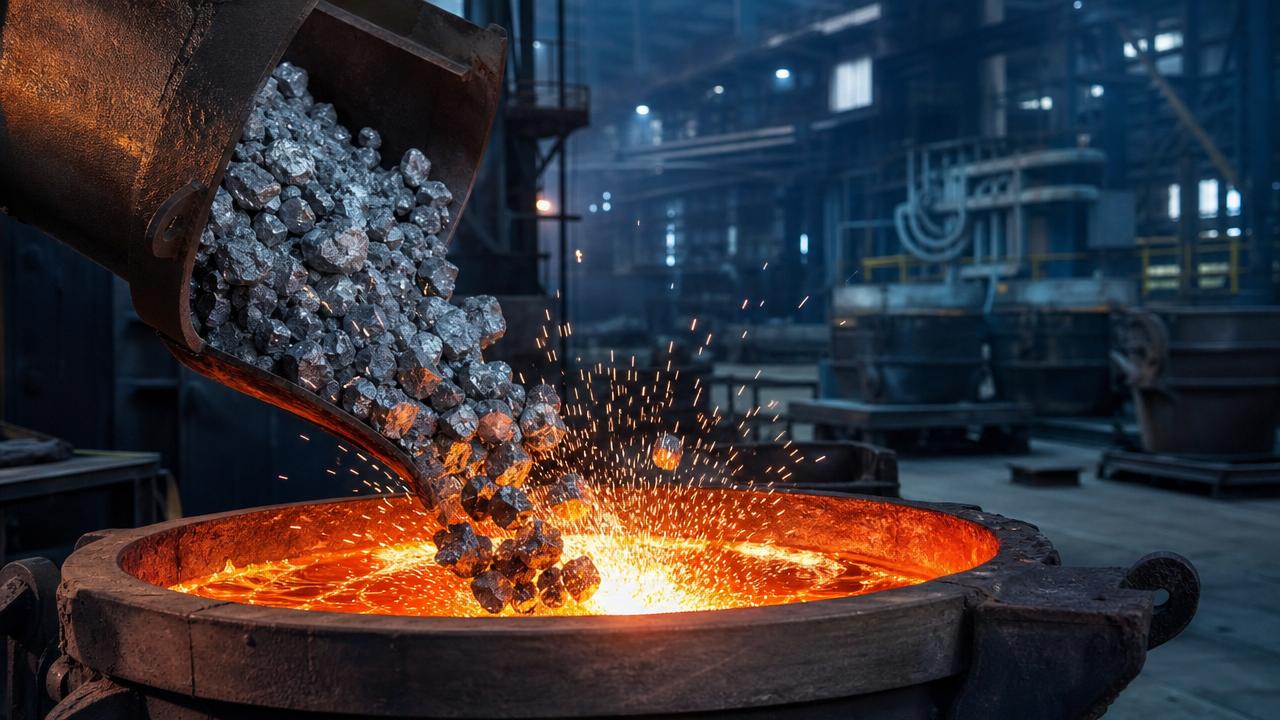
In modern steelmaking, precise oxygen control is critical to achieving cleaner steel, stable mechanical properties, and efficient production. Ferrosilicon plays a vital role as a powerful deoxidizer, helping remove dissolved oxygen from molten steel while contributing silicon for improved metallurgical performance. For technical evaluators assessing alloy selection, understanding how ferrosilicon affects inclusion control, yield efficiency, and process stability is essential. This article explains its deoxidation mechanism, practical advantages, and key factors to consider when selecting high-quality ferrosilicon for steel production.
Why Ferrosilicon Is Central to Steel Deoxidation Decisions
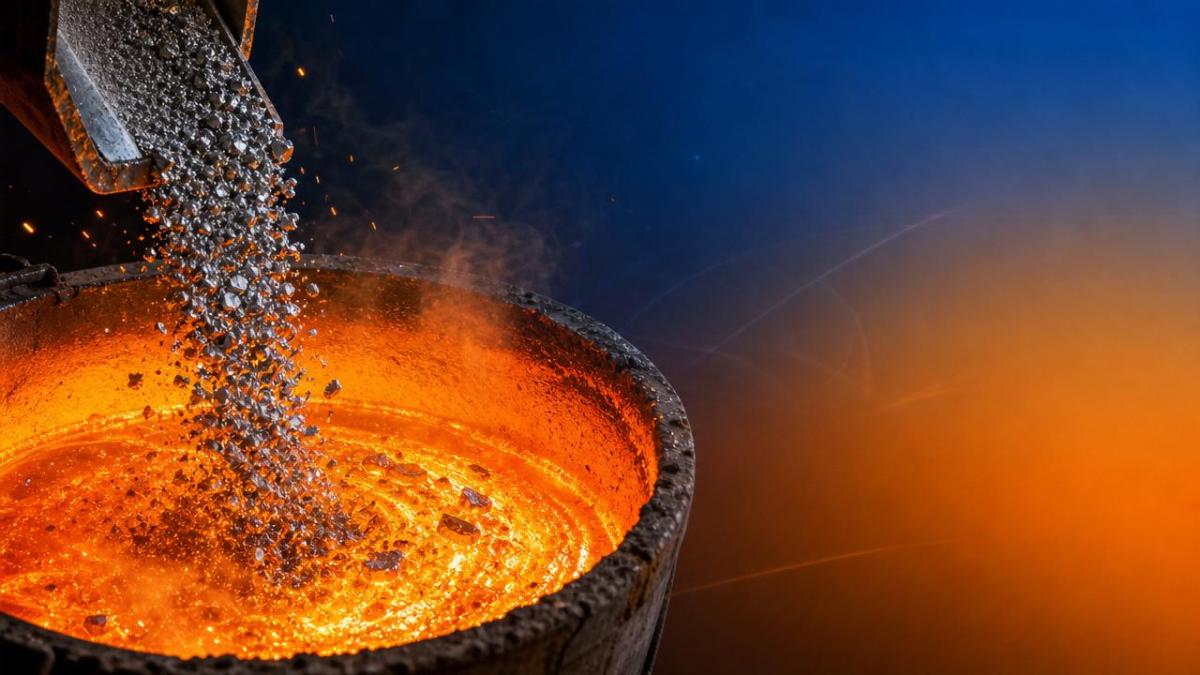
Steelmaking is not only about melting and refining. It is also about controlling residual oxygen before casting, rolling, or downstream heat treatment. Excess dissolved oxygen can form unwanted oxides, promote blowholes, reduce yield, and disturb mechanical consistency.
Ferrosilicon is widely used because silicon has strong oxygen affinity. When introduced into molten steel, it reacts with dissolved oxygen and forms silica-based inclusions that can be floated, modified, or removed through slag-metal interaction.
For technical evaluators, the question is not simply whether ferrosilicon works. The real decision is which grade, particle size, chemical specification, and supply consistency will match the steel grade, furnace practice, and cost target.
What happens during deoxidation?
- Silicon in ferrosilicon reacts with dissolved oxygen, lowering the oxygen potential in the molten bath and reducing oxide-related defects.
- The reaction products influence inclusion morphology, which affects castability, cleanliness, and later processing performance.
- The iron content in ferrosilicon improves dissolution behavior compared with pure silicon additions in many steelmaking conditions.
How Ferrosilicon Improves Oxygen Control in Molten Steel
The deoxidation effect of ferrosilicon depends on thermodynamics, kinetics, alloy recovery, and bath mixing. Silicon reduces dissolved oxygen efficiently, but its practical value depends on how evenly and rapidly it dissolves in the melt.
In ladle metallurgy, ferrosilicon is often added after primary refining or during alloy trimming. A stable addition practice helps reduce reoxidation risk and improves the predictability of final silicon content.
Technical evaluators usually compare ferrosilicon specifications against the process window. The following table summarizes common assessment points for steel deoxidation applications.
This table shows why ferrosilicon selection should be linked to both chemistry and operating practice. A low purchase price may not create savings if fines, poor recovery, or unstable composition increase rework and melt correction.
Where Ferrosilicon Creates the Most Value in Steel Plants
Ferrosilicon is used across electric arc furnace, basic oxygen furnace, induction furnace, and ladle refining routes. Its value changes with steel type, tapping temperature, slag condition, and downstream cleanliness targets.
In carbon steel, ferrosilicon supports standard deoxidation and silicon adjustment. In low-alloy steel, it helps establish stable chemistry before additions such as manganese, chromium, or microalloying elements.
Common application scenarios
- Ladle deoxidation after tapping, where predictable recovery is needed before final composition trimming.
- Foundry and casting operations, where silicon control supports fluidity, inoculation strategy, and defect reduction.
- Stainless and special steel production, where impurity control and trace element management are more demanding.
- Continuous casting lines, where cleaner steel and controlled inclusions help reduce nozzle clogging and surface defects.
The next comparison helps evaluators distinguish when ferrosilicon offers clear advantages against other common deoxidation or alloying materials.
Ferrosilicon does not replace every deoxidizer. Its strength lies in reliable silicon input, manageable cost, and compatibility with common steelmaking workflows, especially when process stability matters as much as reaction intensity.
What Technical Evaluators Should Check Before Procurement
Procurement teams often compare quotations by silicon percentage and unit price. Technical evaluators need a wider view. The true cost of ferrosilicon includes recovery rate, handling loss, consistency, logistics reliability, and quality documentation.
A good specification should be clear enough for purchasing, testing, and production departments to apply the same acceptance criteria. Ambiguous requirements can cause disputes during delivery inspection or melt performance analysis.
Practical procurement checklist
- Define the required silicon range based on the steel grade, furnace route, and expected recovery rate.
- Specify impurity limits for aluminum, calcium, carbon, sulfur, phosphorus, and other elements relevant to the final product.
- Confirm size range, maximum fines level, packaging form, and moisture control requirements.
- Request batch traceability documents, chemical analysis reports, and agreed sampling or inspection procedures.
- Evaluate supplier responsiveness when urgent delivery, customized screening, or multi-material coordination is needed.
For large steel mills, small deviations can multiply across many heats. For smaller foundries, one unstable batch may disrupt production planning. In both cases, ferrosilicon quality should be judged by repeatability, not only by a single laboratory value.
Key Ferrosilicon Grades and Size Forms for Deoxidation
Commercial ferrosilicon grades vary by silicon content and impurity profile. Common grades are selected according to steel chemistry, feeding method, and economic balance. Exact values should always be confirmed with the supplier specification.
Granules may suit controlled feeding systems, while lumps are common for ladle additions. Powdered or fine material requires careful dust control and should be evaluated against workplace safety and yield requirements.
The table below provides a practical view of common ferrosilicon selection paths rather than fixed universal limits.
A technically sound choice often combines a suitable silicon grade with controlled sizing. Oversized lumps may dissolve slowly, while excessive fines can increase losses, dust generation, and variation in actual addition efficiency.
Common Risks When Ferrosilicon Is Selected Only by Price
Price pressure is real in steelmaking, especially when alloy costs fluctuate. However, low-cost ferrosilicon can become expensive if hidden variables increase corrective additions, testing frequency, production delays, or casting defects.
Technical evaluators should connect purchase decisions with melt shop data. If silicon recovery varies significantly between batches, the team may need to review particle size distribution, storage condition, charging timing, or supplier consistency.
Risk points to monitor
- Unstable chemistry can cause repeated trimming, increasing alloy consumption and extending ladle treatment time.
- High fines content can reduce practical yield and create dust concerns during storage, transfer, and feeding.
- Poor packaging can introduce moisture or contamination, especially during long-distance transport or outdoor storage.
- Incomplete documentation can delay internal approval for steel grades with stricter quality or compliance requirements.
Standards, Documentation, and Quality Control Expectations
Ferrosilicon procurement often refers to agreed chemical specifications, inspection rules, sampling methods, and contract requirements. Depending on region and application, buyers may reference common ferroalloy standards or internal steel plant specifications.
The most important point is consistency between the purchase order, certificate of analysis, delivery batch marking, and incoming inspection method. Misalignment can create disputes even when the material is technically usable.
Recommended documentation package
- Chemical analysis report showing silicon and agreed impurity elements for the delivered batch.
- Packing list and batch identification to support traceability from warehouse receipt to production use.
- Size specification or screening statement when particle distribution is a contractual requirement.
- Safety and handling information suitable for alloy storage, transfer, and feeding operations.
For technical evaluators, documentation should not be treated as paperwork alone. It is part of risk control, especially for export supply chains, multi-site procurement, or steels supplied to demanding downstream industries.
FAQ: Ferrosilicon in Steel Deoxidation
How much ferrosilicon should be added to molten steel?
The addition rate depends on initial oxygen level, target silicon content, steel grade, recovery rate, and furnace practice. Evaluators should calculate theoretical demand, then verify with plant trial data and heat records.
Is ferrosilicon suitable for all steel deoxidation practices?
Ferrosilicon is suitable for many carbon, alloy, and foundry steels, but it may be combined with aluminum, calcium silicon, or other alloys when deeper deoxidation or inclusion modification is required.
What is the most common procurement mistake?
The most common mistake is selecting ferrosilicon by nominal silicon content and price only. Size distribution, impurities, documentation, packaging, and supplier response can strongly influence the actual production cost.
Can particle size affect deoxidation efficiency?
Yes. Particle size affects dissolution speed, feeding accuracy, and yield. The best size depends on addition point, bath temperature, stirring intensity, and whether the process uses manual or automated feeding.
Why Choose Sinometal for Ferrosilicon Selection and Supply
Sinometal supports global steel, aluminum alloy, stainless steel, casting, chemical, and new energy material applications with ferroalloys, silicon alloys, and rare earth mineral products. Its product portfolio includes ferrosilicon, silicomanganese, ferrochrome, silicon metal, rare earth silicon, silicon granules, and specialty casting additives.
For technical evaluators, Sinometal can help convert operating requirements into practical purchasing specifications. This includes confirming ferrosilicon grade, impurity limits, particle size, packaging, documentation needs, and delivery planning.
Consult us when you need to clarify
- Which ferrosilicon specification fits your steel grade, furnace route, and target silicon recovery.
- Whether lump, granule, or customized size distribution is more suitable for your feeding system.
- How to align quotation, sample support, inspection terms, batch documentation, and delivery schedule.
- How to compare ferrosilicon with silicomanganese, silicon metal, or other ferroalloy options for total process cost.
If your team is reviewing ferrosilicon for deoxidation, alloy adjustment, casting stability, or supply chain optimization, contact Sinometal for parameter confirmation, product selection, sample discussion, certification requirements, delivery lead time, and quotation communication.
Related Posts
Online Message
GET IN TOUCH