
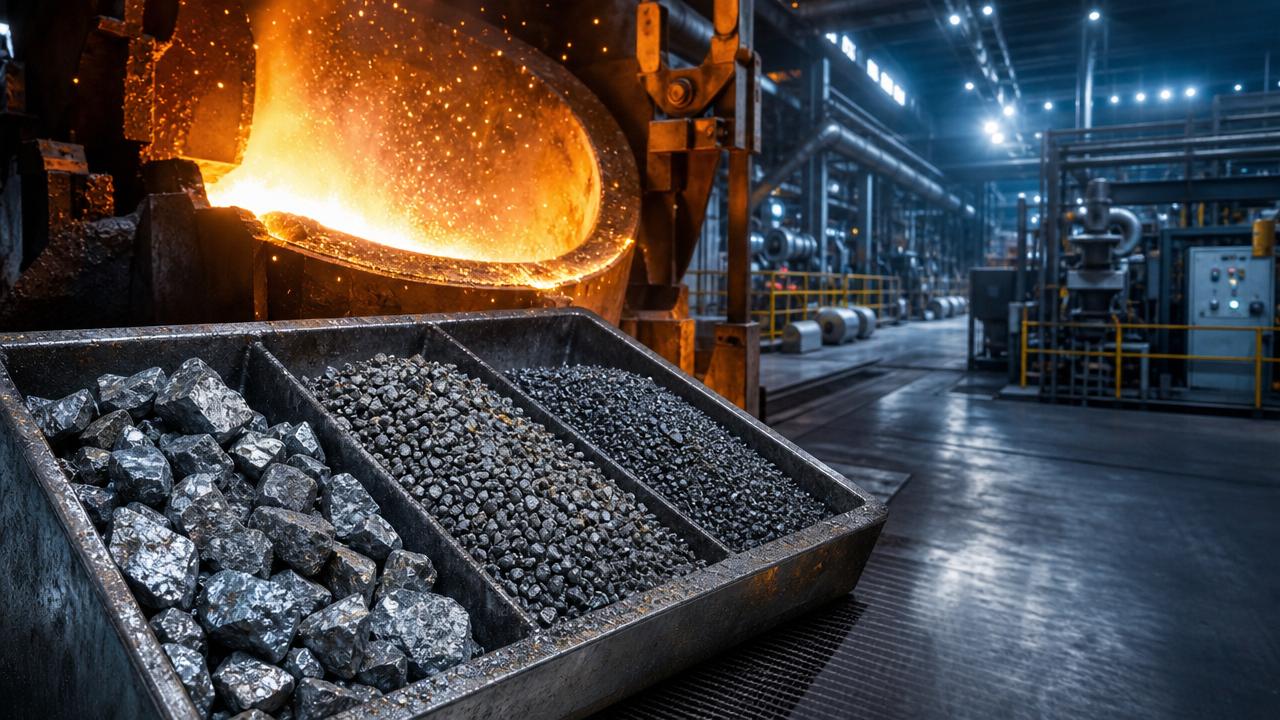
What Are Ferroalloys and Why Do They Matter in Steel?
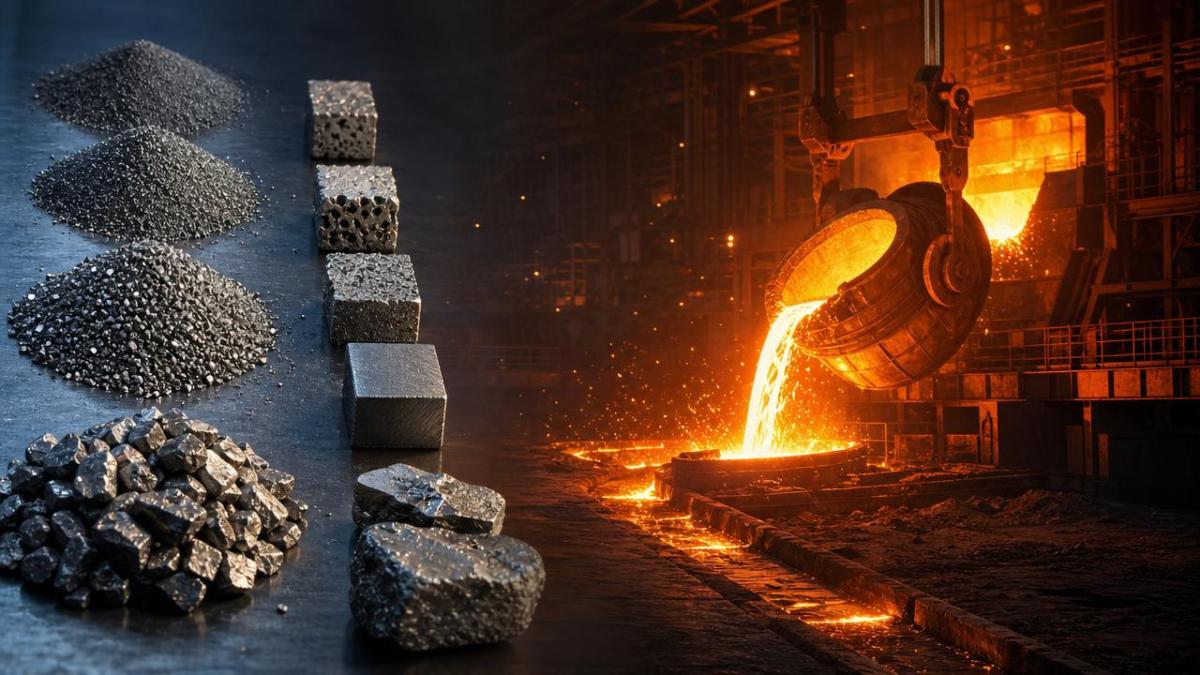
Ferroalloys are essential alloying materials that help determine the strength, durability, and performance of modern steel.
They support deoxidation, desulfurization, hardness control, corrosion resistance, and heat tolerance across steelmaking and advanced metallurgy.
Understanding ferroalloys helps explain how steel quality is controlled for construction, automotive, stainless steel, energy, and chemical applications.
Why Ferroalloys Need a Checklist-Based Evaluation
Ferroalloys are not simple additives. Their chemistry, particle size, impurity level, and melting behavior directly affect furnace performance.
A structured checklist helps reduce inconsistent alloy recovery, unstable slag reactions, excess oxidation loss, and final steel composition deviations.
It also supports clearer comparison between ferrosilicon, silicomanganese, ferrochrome, silicon metal, rare earth silicon, and specialty casting additives.
Core Ferroalloys Checklist for Steelmaking Decisions
- Confirm the target steel grade before selecting ferroalloys, because carbon level, chromium demand, and oxygen control define the correct alloy route.
- Check chemical composition certificates carefully, including main elements, trace impurities, moisture, sulfur, phosphorus, and any restricted residual elements.
- Match particle size to furnace practice, feeding system, and reaction speed to avoid floating loss, dusting, or uneven dissolution.
- Evaluate alloy recovery data from previous heats, since actual yield often differs from theoretical content under real operating conditions.
- Control storage conditions for moisture-sensitive ferroalloys, especially materials used in ladle treatment, casting inoculation, and precise deoxidation.
- Review packaging strength, batch traceability, and labeling accuracy to prevent cross-contamination during warehouse handling and furnace charging.
- Compare total value rather than unit price, including recovery rate, impurity impact, slag volume, energy use, and process stability.
- Select suppliers with metallurgical research capability, because application guidance can improve alloy efficiency and reduce trial-and-error costs.
Key Types of Ferroalloys and Their Steel Functions
Ferrosilicon for Deoxidation and Silicon Addition
Ferrosilicon is one of the most widely used ferroalloys in steel deoxidation and silicon adjustment.
It removes dissolved oxygen, improves fluidity, and supports cleaner steel when applied at the correct stage.
Silicomanganese for Combined Mn and Si Control
Silicomanganese supplies manganese and silicon together, making it valuable for deoxidation and sulfur control.
It is often selected when steel requires improved toughness, hot workability, and stable mechanical properties.
Ferrochrome for Stainless and Wear-Resistant Steel
Ferrochrome introduces chromium, the key element behind stainless steel corrosion resistance and oxidation stability.
Carbon level selection is important because high-carbon and low-carbon ferrochrome serve different refining routes.
Rare Earth Silicon for Inclusion Modification
Rare earth silicon helps modify inclusions, improve casting performance, and support special steel cleanliness.
These ferroalloys are useful where fatigue resistance, toughness, and controlled solidification behavior are required.
Application Notes for Different Metallurgical Scenarios
Carbon Steel Production
In carbon steel, ferroalloys are mainly used for deoxidation, manganese adjustment, and final chemistry correction.
Stable addition timing can reduce composition fluctuation and improve repeatability between heats.
Stainless Steel and High-Alloy Steel
Stainless steel relies on ferrochrome, ferrosilicon, and other ferroalloys to balance corrosion resistance, strength, and thermal stability.
Impurity control becomes more critical because phosphorus, sulfur, and unwanted carbon may limit final performance.
Foundry and Casting Operations
In casting, ferroalloys and silicon-based inoculants influence graphite formation, solidification structure, and mechanical consistency.
Correct granule size improves dissolution and helps avoid localized hard spots or poor inoculation efficiency.
Commonly Overlooked Risks When Using Ferroalloys
Ignoring moisture: Wet ferroalloys may cause hydrogen pickup, violent reaction, reduced recovery, or safety issues during charging.
Relying only on nominal grade: Two products with similar names may differ significantly in impurity control, sizing, and metallurgical yield.
Adding too late: Late alloy addition may reduce dissolution time, increase segregation risk, and weaken final chemistry accuracy.
Overlooking slag interaction: Highly oxidizing slag can consume active alloying elements and reduce the effective performance of ferroalloys.
Skipping trial verification: New ferroalloys should be tested under actual furnace conditions before full-scale replacement.
Practical Execution Steps for Better Alloy Control
- Define the steel grade, target chemistry, furnace type, refining method, and expected recovery before confirming ferroalloys specifications.
- Request recent analysis reports, particle size distribution, packaging details, and traceability documents for each batch.
- Run controlled trials on representative heats, recording addition timing, temperature, slag condition, recovery rate, and final composition.
- Compare production data against cost, yield, cleanliness, mechanical performance, and rejection rate, not just purchase price.
- Standardize storage, sampling, feeding, and recordkeeping procedures so ferroalloys performance remains consistent over time.
How Sinometal Supports Ferroalloys Selection
Sinometal focuses on high-end ferroalloys, silicon alloys, and rare earth minerals for global metallurgical applications.
Its product range includes ferrosilicon, silicomanganese, ferrochrome, silicon metal, rare earth silicon, silicon granules, and specialty casting additives.
These materials support steel deoxidation, casting inoculation, chemical catalysis, aluminum alloy production, and new energy material applications.
A research-based supply approach helps align ferroalloys selection with chemistry targets, process limits, and end-use performance expectations.
Summary and Next Action Guide
Ferroalloys matter because they turn molten steel into controlled engineering material with predictable composition and performance.
The best results come from matching alloy chemistry, size, timing, recovery behavior, and supplier support to the steelmaking route.
Before confirming ferroalloys for production, review specifications, run practical trials, and document performance under real metallurgical conditions.
For stable steel quality, start with a clear checklist, verified materials, and application-focused technical discussion.
Related Posts
Online Message
GET IN TOUCH